
7 Proven Warning Signs You Need Brake Repair in Venice FL Before Storm Season

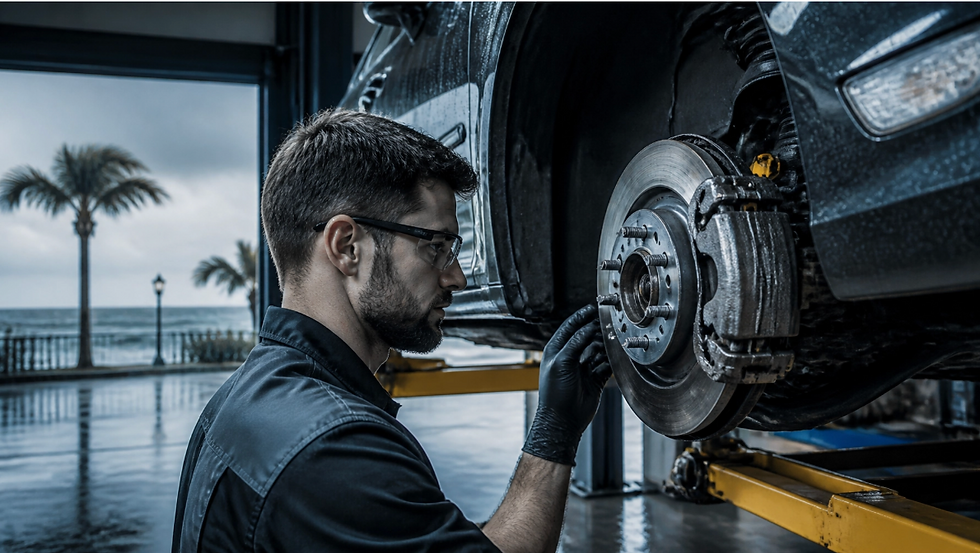
If your vehicle squeals, grinds, shakes, pulls, or takes longer to stop, schedule an inspection before Florida’s storm season intensifies. For drivers searching for brake repair venice fl, addressing these warning signs early can protect your safety, prevent more expensive damage, and provide greater peace of mind on wet Venice roads.
September is an important time to check your braking system. Hurricane season remains active through November, and heavy rain can reduce tire traction, create standing water, and make emergency stops more challenging. Your brakes should be predictable and responsive before the next major storm arrives.
What does brake repair venice fl usually involve before storm season?
A professional brake inspection examines the complete braking system, including:
Brake pads and wear indicators
Rotors for scoring, warping, or uneven wear
Calipers and slide pins
Brake hoses and metal lines
Brake fluid level and condition
The parking brake
ABS sensors and warning systems
At Gibson’s Auto Care, certified technicians inspect the cause of the problem rather than simply replacing parts. That approach helps you make an informed repair decision and avoid unnecessary expenses.
1. Do your brakes squeal, squeak, or grind?
A high-pitched squeal often comes from a brake pad’s metal wear indicator. This small tab is designed to contact the rotor when the friction material becomes thin. It is your vehicle’s way of saying that the pads need attention.
A brief squeak after a humid night or rain may come from light surface rust on the rotors. However, persistent squealing should not be ignored, especially if it becomes louder during normal stops.
Grinding is more urgent. A harsh, rough, metal-on-metal sound can mean the friction material has worn away and the pad’s backing plate is contacting the rotor. Continuing to drive may damage the rotors and calipers, turning a relatively simple repair into a larger one.
If you need brake repair venice fl, describe exactly when the sound occurs. Note whether it happens during light braking, hard stops, low-speed turns, or every time you press the pedal.
2. Does the brake pedal vibrate or pulse?
A pulsing brake pedal or shaking steering wheel usually points to uneven contact between the pads and rotors. Possible causes include:
Unevenly worn or overheated rotors
Uneven pad deposits
A sticking caliper
Excessive rotor runout
Related suspension or wheel concerns
You may feel a gentle rhythmic push through the pedal during a stop, or a more noticeable vibration through the steering wheel at highway speeds. Either way, braking should feel smooth and controlled.
Storm conditions make this issue more concerning. When the road is slick, a vehicle already experiencing braking vibration may feel less stable during a sudden stop. A technician can measure the rotors and inspect the calipers to determine whether resurfacing, replacement, or another repair is appropriate.
3. Is your vehicle taking longer to stop?
Longer stopping distances are one of the most important brake warnings. If your car no longer stops as quickly as it used to, do not wait for a loud noise before arranging service.
Longer stopping may result from:
Worn brake pads
Contaminated or glazed friction material
Damaged or uneven rotors
Low brake fluid
A failing caliper
Air in the hydraulic system
Reduced tire traction
Rain naturally requires more caution because water can reduce the grip between your tires and the road. Standing water can also create a hydroplaning risk. If your brakes are already worn, that reduced traction leaves you with less room to react.
A vehicle that needs more pedal pressure or more roadway to stop should be inspected promptly. This is a key reason to schedule brake repair venice fl before storm season rather than after an emergency.
4. Does your car pull to one side when braking?
Your vehicle should remain centered when you apply the brakes. If it pulls left or right, the braking force may not be balanced between the wheels.
Common causes include:
Unevenly worn brake pads
A sticking or seized caliper
A restricted brake hose
Uneven rotor friction
Tire pressure or alignment issues
A pulling vehicle can be especially difficult to control when you are braking on a wet road. It may drift into another lane, move toward a shoulder, or react unpredictably during an emergency stop.
Do not assume pulling is only an alignment problem. A technician should inspect the tires, suspension, and complete brake system before identifying the repair.
5. Is the brake or ABS warning light illuminated?
Dashboard warning lights should never be treated as suggestions. A red brake warning light may indicate that the parking brake is engaged, the brake fluid is low, or there is a problem with the hydraulic braking system.
A yellow ABS light may indicate that the anti-lock braking system has detected a fault. Your standard brakes may still work, but the ABS function that helps prevent wheel lockup may not be available during a hard stop.
If the red brake warning light stays on, the pedal feels soft, or the vehicle is difficult to stop, do not continue driving. Pull over safely and arrange professional assistance. If only the ABS light is on and the pedal feels normal, drive cautiously only as necessary to reach a qualified repair facility.
You can review general vehicle safety information through the National Highway Traffic Safety Administration, an authoritative external resource for drivers.
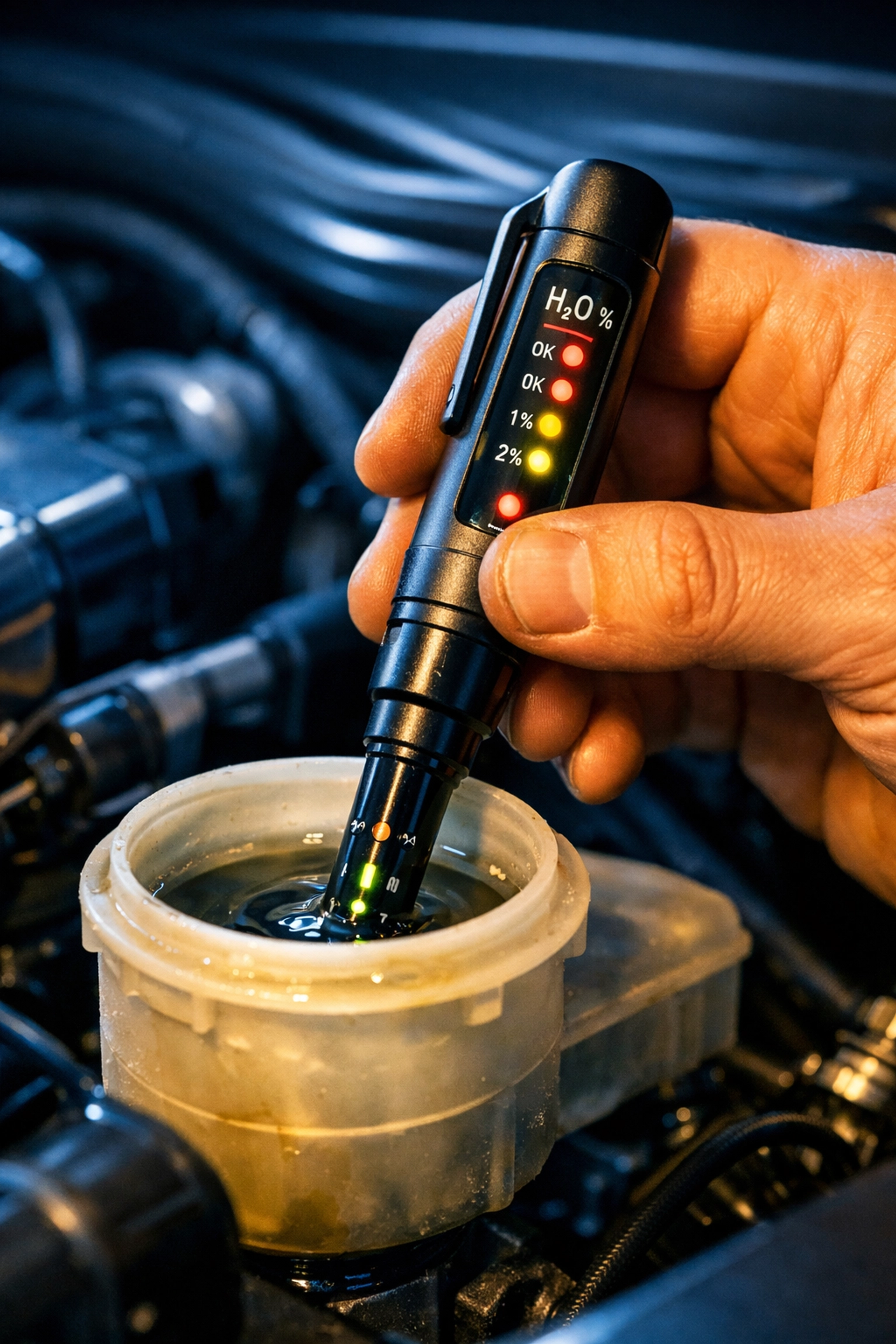
6. Is your brake fluid low or leaking?
Brake fluid transfers the force from your pedal to the brake components at each wheel. If the fluid level is low, the cause must be identified instead of simply topping off the reservoir and moving on.
Low fluid may result from:
Worn brake pads
A leaking caliper
A damaged brake hose
Corroded metal brake lines
A failing master cylinder
Look for wet spots near the inside of a wheel or underneath the vehicle. Brake fluid may appear clear, pale yellow, or brown depending on its age and condition. Do not touch or sample an unknown fluid, and never ignore a visible leak.
Venice’s coastal humidity and salt air can accelerate corrosion on exposed metal components. Our coastal brake maintenance guide explains why local conditions deserve extra attention.

7. Are your brake pads visibly worn?
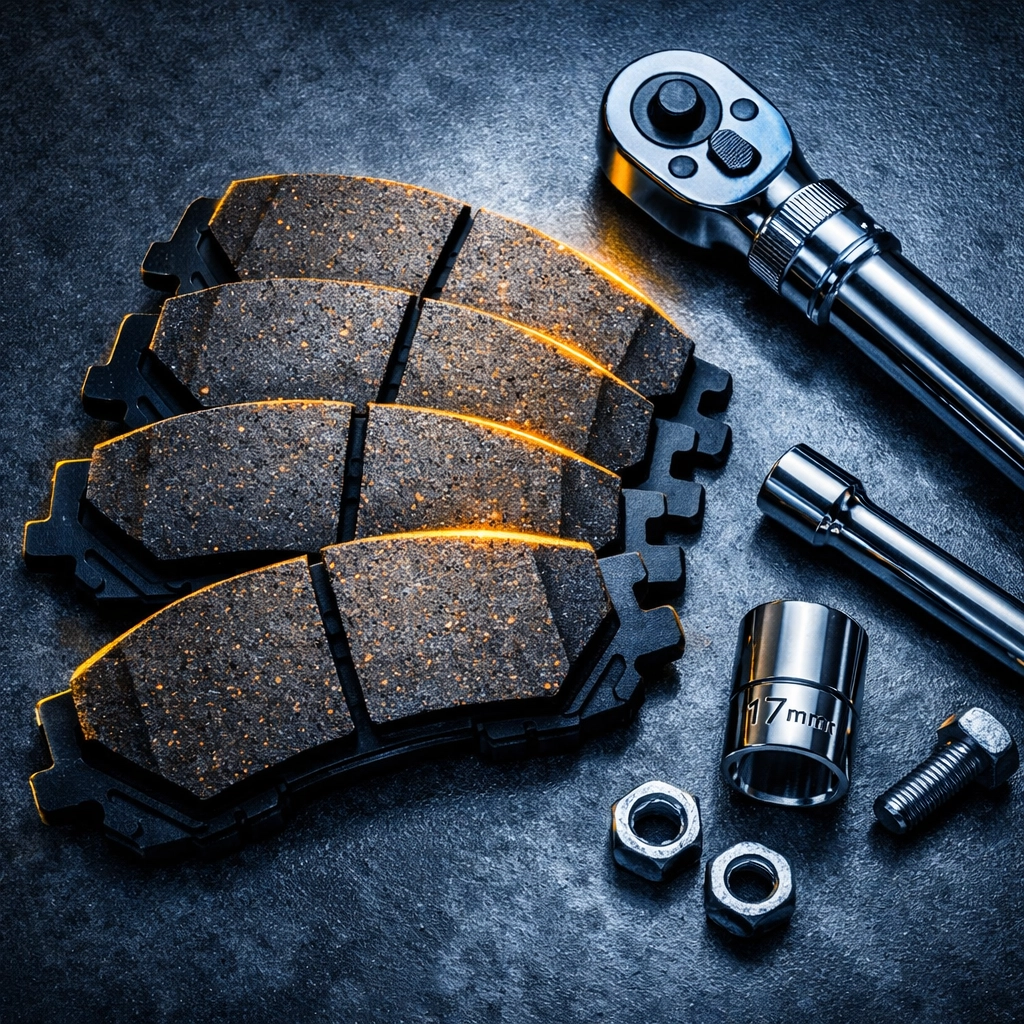
Brake pads gradually become thinner as their friction material wears away. Some pads include a warning tab, while other vehicles may display a brake pad warning light or rely on a technician’s measurement during service.
You may notice:
A thin pad visible through the wheel spokes
Excessive dark brake dust on one wheel
Squealing during stops
A deeper pedal position than usual
Reduced braking response
Brake pad thickness should be compared with the vehicle manufacturer’s specifications. Looking through the wheel is not always enough to identify uneven wear, because the inside pad may be more worn than the outside pad.
Replacing worn pads before they reach the backing plate can help protect the rotors and maintain reliable stopping performance. Quality parts and correct installation also matter in Florida’s heat, humidity, and frequent rain.
How can you prepare your brakes for Florida storm season?
Use this simple checklist before the next period of heavy rain:
Listen during your next several drives. Pay attention to squealing, grinding, scraping, or clicking.
Test pedal feel while parked. The pedal should feel firm and should not slowly sink under steady pressure.
Watch your stopping performance. Note any increase in stopping distance or pedal effort.
Check the dashboard. Do not ignore a red brake or ABS warning light.
Look for fluid leaks. Inspect near the tires and under the vehicle, but do not crawl beneath an unsupported car.
Check the tires. Adequate tread and correct inflation are essential for wet-road traction.
Schedule a professional inspection. Have the pads, rotors, calipers, lines, hoses, and fluid evaluated.
Never test questionable brakes at high speed or in traffic. If the pedal is soft, the red brake light is on, fluid is leaking, or the brakes are grinding, arrange a tow instead of driving to the shop.
Why choose Gibson’s Auto Care for brake service in Venice?
Gibson’s Auto Care is a family-owned shop serving the Venice community with honest recommendations and dependable workmanship. Our certified technicians work on all makes and models, from routine brake pad replacement to more involved hydraulic, rotor, caliper, and ABS concerns.
We explain what we find, provide fair pricing, and back our work with a 24-month/24,000-mile warranty. Our goal is straightforward: help you drive away with safer, more predictable braking and confidence in the repair.
For dependable brake repair venice fl, contact Gibson’s Auto Care to schedule a brake inspection. Taking care of a small warning sign now may help prevent a larger safety issue during the next Venice downpour.
Frequently Asked Questions
Is it normal for brakes to squeak after rain?
A brief squeak may come from light surface rust that forms on rotors overnight. If the noise continues after several stops, becomes louder, or changes into grinding, schedule an inspection.
Can I drive with the brake warning light on?
A red brake warning light may indicate low fluid or a hydraulic fault. If it remains illuminated or appears with a soft pedal, stop driving when safe and arrange professional assistance.
Does heavy rain damage brake systems?
Brake systems are designed to operate in wet weather, but rain reduces tire traction and can increase stopping challenges. Existing pad, rotor, fluid, or caliper problems become more dangerous when roads are slick.
How often should brakes be inspected?
Have your brakes inspected at least once a year and whenever you notice a change in noise, pedal feel, stopping distance, or vehicle handling. An inspection during routine maintenance can identify wear before it becomes an emergency.
How much does brake repair cost?
The cost depends on the parts affected and the vehicle’s condition. A proper inspection can determine whether you need pads, rotors, fluid service, caliper work, line repair, or another solution.
Schedule your pre-storm brake inspection
Do not wait for a grinding noise or a dashboard warning to take action. Preventative brake service supports safer stops, protects other components, and gives you greater peace of mind during Florida’s rainy and hurricane season.
Gibson’s Auto Care is ready to help with honest, professional service for your vehicle.
📍 22 S Venice Blvd, Venice, FL 34293 📞 941-451-8801


Comments