
7 Mistakes You’re Making with Your Brakes in Venice (and How Coastal Humidity is Quietly Ruining Them)

Living in Venice, Florida, is a dream. We have the Gulf breeze, the shark tooth capital of the world status, and sunsets that look like paintings. But if you’re a vehicle owner here, that beautiful coastal air is doing a number on your car, specifically your braking system.
At Gibson's Auto Care, we see the "coastal tax" every day. The same salty humidity that makes our town beautiful is a silent predator for metal components. When it comes to brake repair venice fl, most drivers wait until they hear a terrifying screech before heading to the shop. By then, a simple maintenance task has often turned into an expensive overhaul.
Are you making these common mistakes? Let’s look at how the Florida climate interacts with your car and what you can do to stay safe on the road.
1. Ignoring the "Sponge" Effect of Brake Fluid
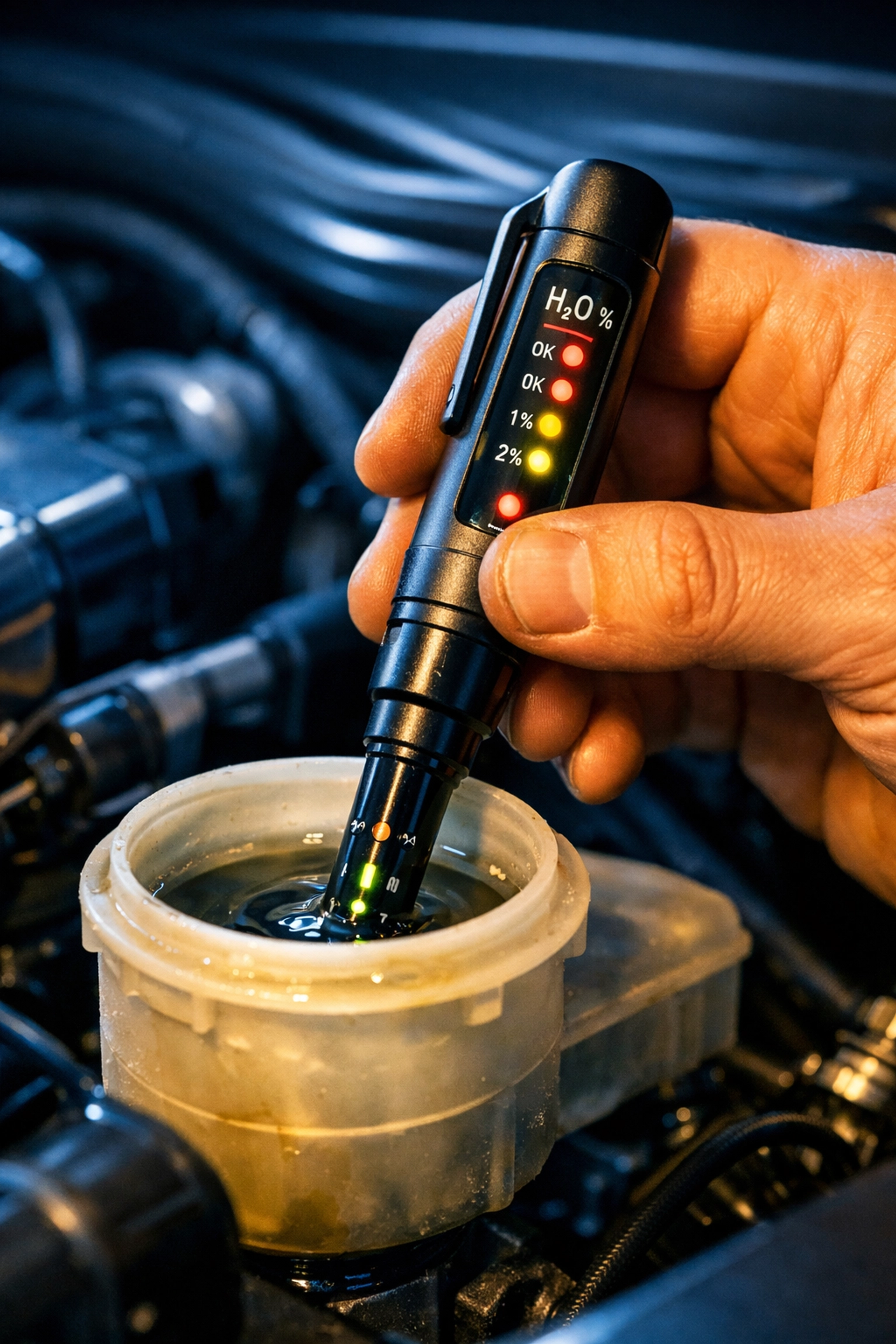
Did you know your brake fluid is a "hygroscopic" liquid? That’s a fancy way of saying it acts like a sponge for moisture. In Venice, where humidity levels often hover near 90%, your brake system is constantly under attack.
When moisture enters your brake lines, it lowers the boiling point of the fluid. This can lead to a "spongy" brake pedal feel. More importantly, water in the lines causes internal corrosion in your calipers and master cylinder. Many drivers skip their biennial fluid flush, thinking it’s an unnecessary upsell. In a coastal environment, a regular flush is one of the most important preventative measures you can take. If you’re noticing a change in pedal pressure, check out our guide on common brake problems and how to fix them.
2. The "Short Trip" Trap
Venice is a compact, beautiful town. Many of us only drive a few miles to the grocery store or the beach. While this is great for gas mileage, it’s surprisingly tough on your brakes.
When you take short trips, your brake rotors and pads don't always reach the high temperatures required to evaporate the condensation that builds up overnight. This trapped moisture leads to surface rust. Have you ever noticed a "crunchy" sound the first few times you hit the brakes in the morning? That’s the pads scraping off a layer of rust. Over time, this causes "pitting" on the rotors, which leads to vibrations and reduced stopping power.
3. Skipping the Undercarriage Wash After a Beach Day
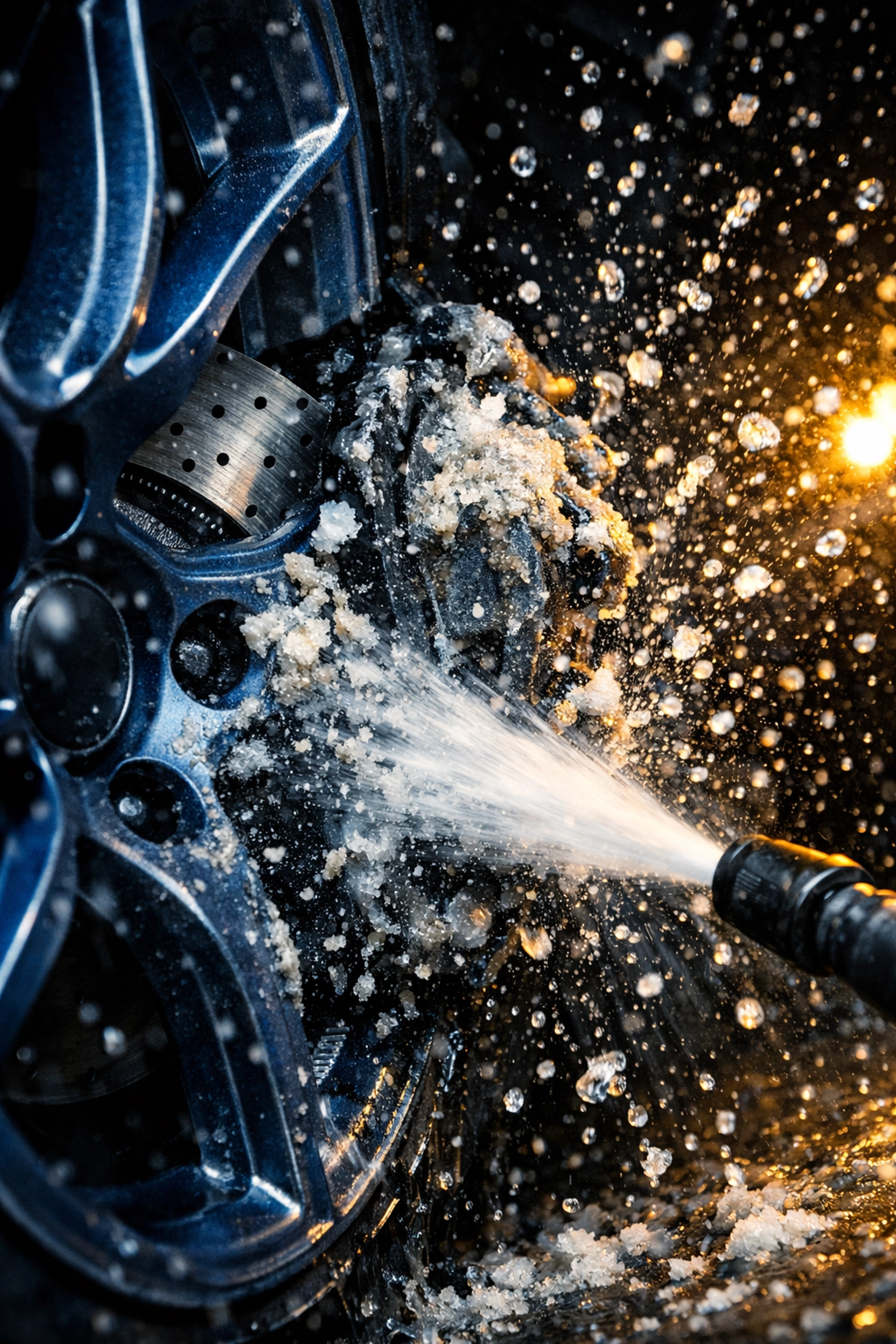
We all love Caspersen Beach, but driving or even parking near the salt spray introduces fine particles of salt and sand into your wheel wells. Salt is an accelerant for rust. It gets into the guide pins of your calipers, causing them to "seize" or stick.
When a caliper seizes, your brake pad stays pressed against the rotor even when your foot is off the pedal. This creates immense heat, wears your pads down in weeks instead of years, and can even warp your rotors. If you’ve spent the day near the water, a quick rinse of the undercarriage can save you a fortune in brake repair venice fl.
4. Turning Up the Radio to Drown Out the Squeak
It’s a classic move: you hear a little chirp or squeal when slowing down for a light on Venice Avenue, so you just turn up the music. Warning: Those sounds are your car’s way of screaming for help.
Most modern brake pads have a small metal tab called a "wear indicator." When the pad gets thin, the tab touches the rotor and creates a high-pitched squeal. If you ignore this, the pad material will disappear entirely, leading to "metal-on-metal" contact. At that point, you aren't just replacing pads; you're replacing rotors, and potentially calipers too.
If you're wondering how long those pads should actually last, take a look at our expert breakdown on how often you should replace your car’s brake pads.
5. Parking in the "Salt Zone" Without Protection
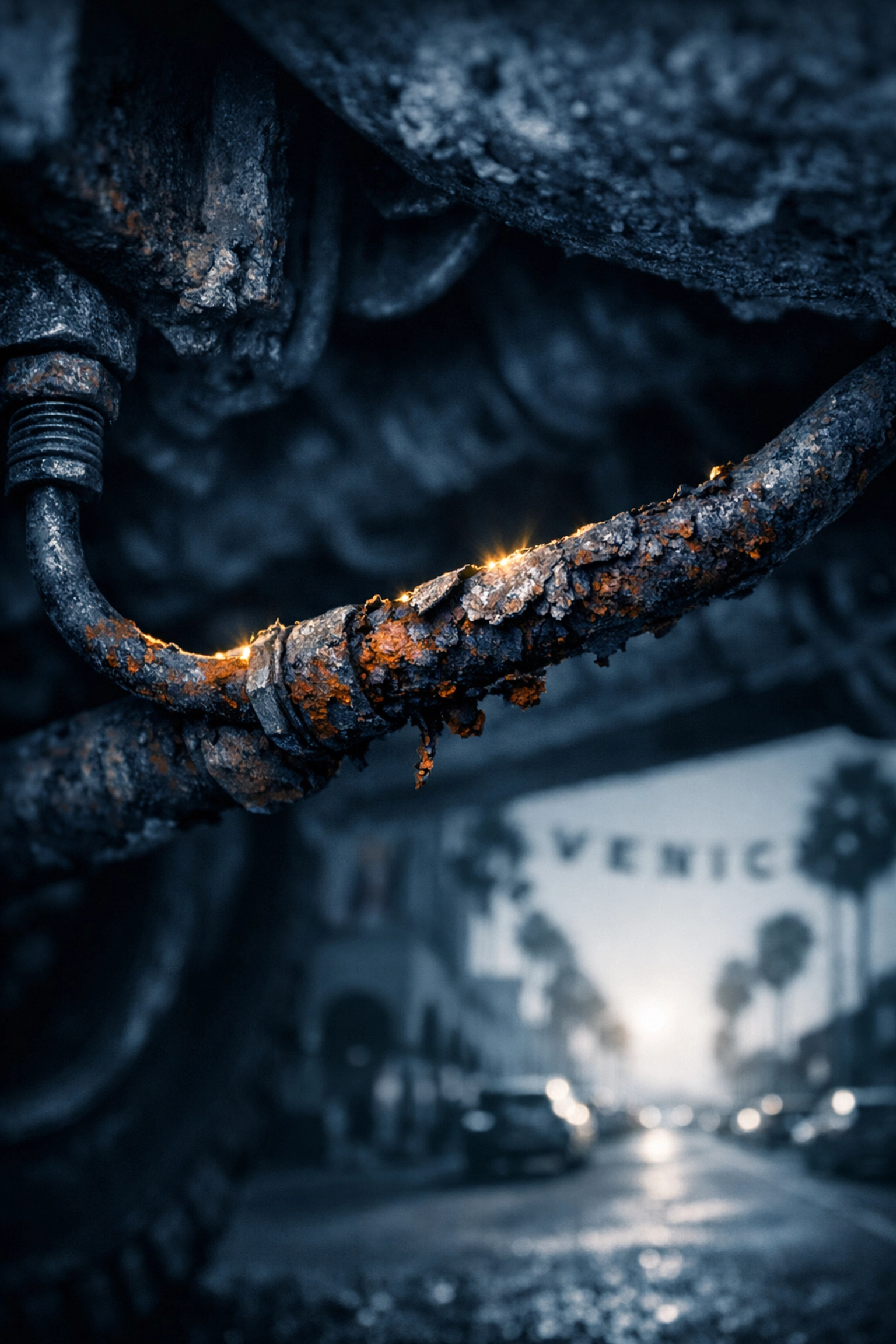
If you live within a mile of the Gulf, your car is essentially sitting in a salt bath 24/7. Coastal humidity carries salt ions that settle on every metal surface. Vehicles parked in open driveways or on the street face significantly higher rates of brake line corrosion than those in garages or under carports.
The secret to fighting this is regular inspections. At Gibson's Auto Care, we check for "scale" and rust on your brake lines during every oil change. A rusted brake line is a ticking time bomb, if the line blows while you're in traffic, you lose your ability to stop.
6. Riding the Brakes Down the Trail
Whether you're navigating the traffic on US-41 or driving through a sudden Florida downpour, "riding" your brakes (keeping constant light pressure on the pedal) generates excessive heat. When you combine high heat with high humidity, you can actually "glaze" your brake pads. This creates a smooth, mirror-like surface on the pad that can’t grip the rotor effectively, significantly increasing your stopping distance.
Instead, practice "threshold braking", apply firm pressure and then release to allow the components to cool down.
7. Choosing "Bargain" Parts for a High-Stress Environment
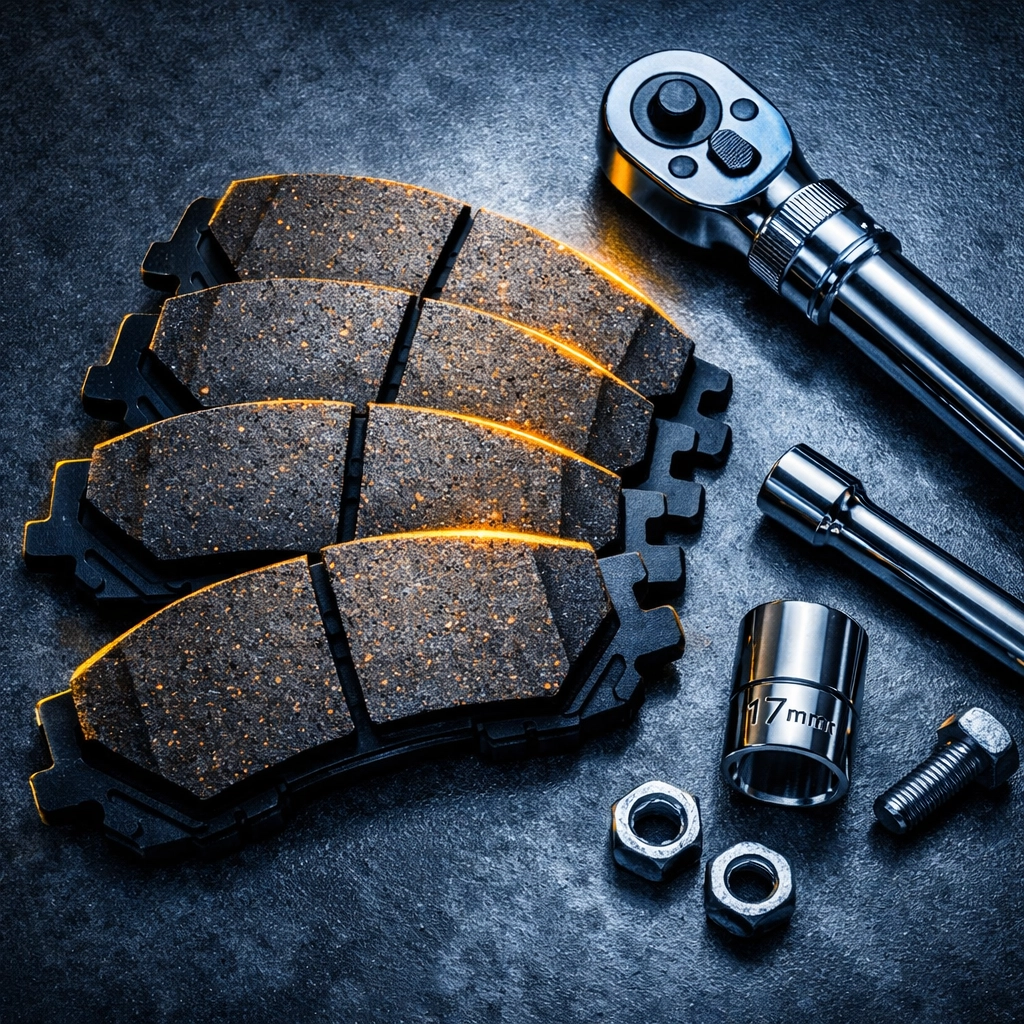
It’s tempting to buy the cheapest brake pads available online or at a big-box chain. However, Venice’s heat and humidity require high-quality friction materials. Cheap pads often use inferior metal backings that rust and delaminate (peel apart) in our salty air.
Investing in ceramic or high-quality semi-metallic pads ensures your brakes can handle the thermal stress of Florida summers without fading. This is one of the 7 essential reasons Venice, FL drivers trust family-owned mechanics like us; we know which parts actually hold up against the local elements.
The Ultimate Coastal Brake Health Checklist
To keep your car stopping safely in the Sunshine State, follow this simple checklist:
Monthly: Visual check of your wheels. Look for excessive dark dust or rust spots on the rotors.
Every 6 Months: Have a professional technician inspect the thickness of your pads and the condition of your brake lines.
Every 2 Years: Flush and replace your brake fluid to remove moisture buildup.
After Storms: Wash the undercarriage of your car to remove salt and debris kicked up by flooding or high winds.
For more information on vehicle safety and maintenance standards, you can visit the National Highway Traffic Safety Administration (NHTSA) for official safety guidelines.
Trust the Local Experts at Gibson's Auto Care
Brakes are the most critical safety system on your vehicle. In Venice, the environment is working against them every single day. Don't wait for a "spongy" pedal or a grinding sound to take action. Preventative maintenance is always cheaper and safer than emergency repairs.
At Gibson's Auto Care, we are a family-owned business dedicated to keeping our neighbors safe. Whether you need a quick inspection or a full brake repair venice fl, our friendly team is here to help with honest advice and expert service.
Gibson's Auto Care Address: 2125 Tamiami Trl S, Venice, FL 34293 Phone: (941) 493-1994 Website: www.gibsonsautocare.com
Frequently Asked Questions
1. Why do my brakes squeak first thing in the morning in Venice? In our high humidity, a thin layer of "flash rust" forms on your rotors overnight. The squeak you hear is the pads cleaning that rust off. If the sound goes away after a few stops, it’s normal. If it persists, it's time for an inspection.
2. How does salt air affect my brake lines? Salt air accelerates oxidation (rust). Over time, this can eat through the protective coating on your metal brake lines, causing them to leak fluid and eventually fail.
3. Is "spongy" brake fluid really that dangerous? Yes. Spongy brakes mean there is air or water vapor in your lines. Unlike fluid, air compresses, meaning when you hit the brakes, the force isn't being fully transferred to the pads. This increases your stopping distance significantly.
4. Can I just spray my brakes with a garden hose to clean them? Yes, rinsing off salt and sand is a great idea! Just be careful not to do it immediately after a long drive when the rotors are hot, as the sudden temperature change can cause them to warp.

Comments