
7 Essential Back-to-School Car Checks Every Venice FL Family Should Do


Back-to-school driving in Venice means daily drop-offs, carpool lines, short trips, sudden rain, and plenty of Florida heat. Before the first school bell, these seven back-to-school car checks in Venice, FL can help keep your family vehicle safe, comfortable, and dependable.
If you are searching for reliable auto repair Venice FL families can trust, Gibson’s Auto Care can inspect your vehicle, explain what it needs, and help you prepare for the school year without unnecessary repairs.
1. Are your brakes ready for school-zone traffic?
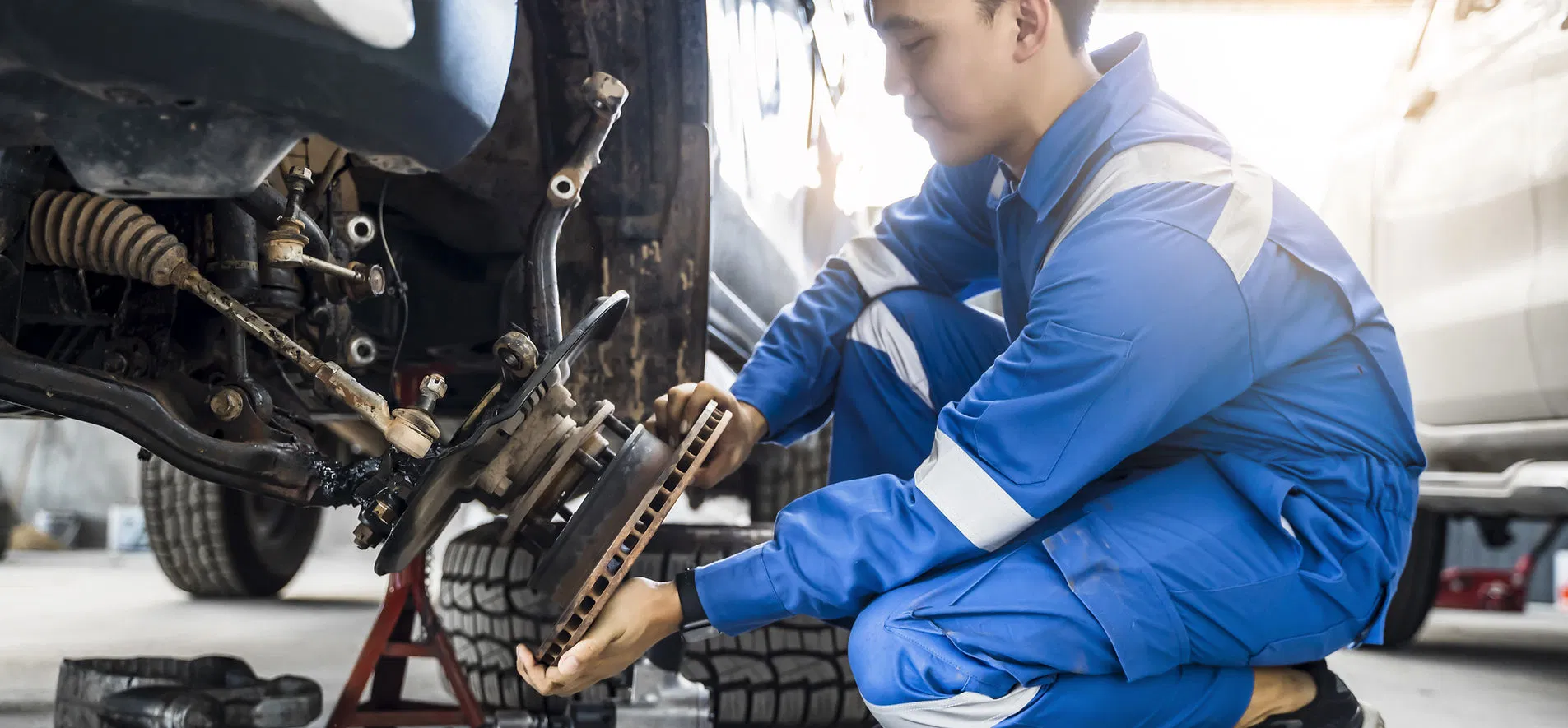
School drop-off and pickup often involve frequent stops, slow-moving traffic, pedestrians, bicycles, and vehicles pulling out unexpectedly. That stop-and-go driving puts repeated demands on your brake pads, rotors, calipers, brake fluid, and parking brake.
Pay attention to these warning signs:
Squealing or high-pitched brake noise
Grinding or harsh metal-on-metal sounds
A brake pedal that feels soft or spongy
Steering-wheel vibrations when braking
Pulling to one side
A brake warning light on the dashboard
A longer stopping distance than usual
Never ignore grinding brakes, a soft pedal, or a brake warning light. These problems can affect your ability to stop safely, especially when children are crossing near a school or when traffic suddenly backs up.
You can read more about warning signs in Gibson’s guide to essential brake service signs. If your vehicle shows any of these symptoms, schedule a professional inspection through Gibson’s brake services.
2. Does your air conditioning stay cold at idle?
A reliable air conditioning system is essential for Florida school runs. Your vehicle may cool down while moving but struggle in a crowded pickup line, which can point to problems with the compressor, condenser, cooling fan, refrigerant system, cabin air filter, or airflow controls.
Before school begins, test your AC in both the driveway and during a short drive. Check whether:
Air comes out cold within a reasonable amount of time
The system stays cool while idling
Airflow is strong from the vents
The cabin air filter is clean
There are unusual smells from the vents
You hear clicking, squealing, or rattling when the AC is on
The engine temperature remains normal while the AC operates
Weak cooling may be caused by low refrigerant, but adding refrigerant without diagnosing the system can hide a leak or damage other components. A certified technician can test the system and identify the actual source of the problem.
For more detail, see Gibson’s article on diagnosing car air conditioning issues. You can also review NHTSA summer driving guidance, which recommends checking air conditioning performance and the cabin air filter in hot weather.
Never leave a child or pet unattended in a parked vehicle, even for a short errand. Interior temperatures can rise dangerously fast.

3. Have you checked the tires, including the spare?
Tires are your vehicle’s only contact with the road. In Venice, hot pavement, heavy rain, highway driving, and daily curbside stops can expose problems that are easy to miss during a quick visual glance.
Check each tire for:
Correct cold inflation pressure
Uneven tread wear
Cracks, cuts, or punctures
Sidewall bulges
Nails or embedded objects
Tread that is worn close to the wear bars
Vibration or pulling while driving
Use the tire pressure listed on the driver’s door-jamb label or in your owner’s manual: not the maximum pressure printed on the tire sidewall. Check pressure when the tires are cold, ideally before driving.
Also inspect the spare tire, jack, and lug wrench. A spare that has been sitting unused for years may be underinflated or unsafe.
The National Highway Traffic Safety Administration recommends checking tire pressure when tires are cold and inspecting for tread or sidewall damage. Gibson’s guide to proper tire pressure offers additional maintenance tips.

4. Is your vehicle due for an oil change?
Back-to-school driving often means many short trips. Repeated cold starts, idling in pickup lines, and Florida’s high temperatures can make routine oil service especially important.
Check your maintenance records and dashboard reminder. Your vehicle may be due for an oil change if:
The service interval has been reached
The oil level is low
The oil looks excessively dark or gritty
The engine sounds louder than usual
The oil warning light comes on
You recently completed a long summer road trip
Motor oil lubricates internal engine parts, helps carry heat away from moving components, and suspends contaminants so they can be removed by the oil filter. The correct oil type and change interval depend on your vehicle’s engine, age, mileage, and manufacturer recommendations.
Do not wait for an oil warning light to schedule routine service. That light can indicate dangerously low oil pressure rather than a simple maintenance reminder. Gibson’s oil change and filter service can help keep your vehicle efficient and ready for daily family use.
5. Have you removed summer gear and checked the cabin?
A cluttered vehicle can make school mornings stressful: and can create safety concerns. Clear out beach chairs, coolers, sports equipment, sand, toys, and other summer gear before loading the vehicle with backpacks and passengers.
Use this quick interior checklist:
Remove loose objects from the passenger area and cargo space.
Make sure floor mats are the correct size and secured.
Confirm that seat belts latch and retract properly.
Check that child seats and booster seats are installed correctly.
Adjust mirrors and clean the windshield inside and out.
Keep emergency supplies, a phone charger, and water available.
Leave enough space for every passenger and backpack to be secured safely.
Loose items can become projectiles during sudden braking. Never stack bags or equipment where they can block the driver’s view or interfere with the pedals.
A clean interior also makes it easier to notice warning smells, damp carpeting, or signs of water intrusion after Florida rain.
6. Could your battery handle daily drop-offs?
Florida heat can be hard on a vehicle battery. At the same time, repeated short trips may not give the alternator enough time to fully replace the energy used during starting.
Watch for:
Slow or hesitant engine cranking
Flickering interior or dashboard lights
Corrosion around the battery terminals
A battery case that appears swollen
Electrical accessories that operate inconsistently
A battery that is several years old
A battery or charging-system warning light
A battery test measures more than voltage. A proper inspection can evaluate starting capacity, terminal connections, battery condition, and alternator output.

Do not touch a swollen, leaking, or severely damaged battery. Have it handled by a qualified automotive professional. Gibson’s electrical services include battery and charging-system diagnostics to help prevent an unexpected morning no-start.
7. Should you schedule a pre-school multi-point inspection in addition to completing car checks ?
If your vehicle has been used for summer travel, camping, beach trips, or long-distance driving, a multi-point inspection is one of the most useful back-to-school car checks Venice FL families can schedule.
A technician can review systems that are difficult to evaluate at home, including:
Brake pad and rotor condition
Tire tread, pressure, and uneven wear
Steering and suspension components
Engine oil and fluid levels
Coolant condition and cooling-system leaks
Battery and alternator performance
Belts, hoses, and visible leaks
Headlights, brake lights, and turn signals
Windshield wipers and washer operation
Dashboard warning lights
Exhaust and emissions components
Road-test concerns such as vibrations, pulling, or unusual sounds
The goal is not to sell you every possible repair. The goal is to identify urgent safety issues, monitor developing wear, and give you a clear maintenance plan.
Gibson’s Auto Care has served Venice and surrounding communities since 2016. Our experienced technicians work on all makes and models and use diagnostic equipment to pinpoint problems accurately. Learn more about our team and approach on the Gibson’s Auto Care About page.
Back-to-school vehicle checklist for Venice families
Before the first week of school, confirm that you have:
Tested the brakes in a safe area
Checked tire pressure while the tires were cold
Inspected tires and the spare for damage
Tested the AC while idling
Checked the oil level and service interval
Verified coolant and washer-fluid levels
Removed loose summer gear
Secured floor mats and child seats
Tested lights and windshield wipers
Checked the battery and charging system
Investigated warning lights or unusual noises
Scheduled a multi-point inspection if needed
Frequently asked questions
How often should I check my tires before school driving?
Check tire pressure at least once a month and before longer trips. During back-to-school season, a quick weekly visual inspection is also helpful because curbs, road debris, and heat can reveal problems quickly.
Why does my AC get warmer in the carpool line?
AC performance that worsens at idle may be related to refrigerant level, the compressor, condenser airflow, cooling fan, or another system issue. A technician should test the system rather than simply adding refrigerant.
How do I know if my brakes need service?
Squealing, grinding, vibration, pulling, a soft pedal, or increased stopping distance are common warning signs. Grinding or soft brakes should be inspected promptly.
Is an oil change necessary before school starts?
If your vehicle is near its service interval, an oil change before daily school driving is a smart preventative step. It is especially worthwhile after extensive summer travel or when the vehicle has been used for frequent short trips.
What is included in a multi-point inspection?
A multi-point inspection typically reviews brakes, tires, steering, suspension, fluids, battery, belts, hoses, lights, wipers, warning lights, and other visible safety-related components. Ask the technician for written findings and recommended priorities.
Get your family vehicle school-ready in Venice, FL
A few preventative checks now can provide greater peace of mind during school drop-offs, carpool duty, rainy commutes, and busy afternoons. If you need dependable auto repair Venice FL families can count on, Gibson’s Auto Care is ready to help with brakes, AC service, tires, oil changes, diagnostics, batteries, and comprehensive vehicle inspections.
Visit our auto repair services page to learn more, or contact Gibson’s Auto Care to discuss your vehicle’s needs before school starts.
📍 22 S Venice Blvd, Venice, FL 34293 📞 941-451-8801
Comments