
5 Proven Safety Steps for Labor Day Road Trip Car Prep


The safest Labor Day road trip starts with a vehicle inspection before you leave Venice, FL. Check your tires, fluids, cooling system, brakes, air conditioning, visibility equipment, and emergency supplies, and have a certified technician address anything questionable before you begin your final summer getaway.
Labor Day weekend is one of the busiest travel periods of the summer. Between hot Florida pavement, sudden thunderstorms, stop-and-go traffic, and long highway stretches, small maintenance problems can become major safety concerns. This Labor Day road trip car prep checklist can help you travel with greater confidence and peace of mind.
1. What Are the Proven Tire Checks to Complete Before a Road Trip?
Your tires are the only parts of your vehicle touching the road. Correct tire pressure and adequate tread are essential for traction, fuel efficiency, handling, and blowout prevention.

Before your Labor Day road trip, complete these tire checks:
Check pressure when the tires are cold. Use the pressure listed on the driver’s door-jamb sticker or in your owner’s manual, not the maximum pressure printed on the tire sidewall. Check all four tires and the spare.
Inspect the tread. Look for uneven wear, bald areas, cracking, nails, screws, or other embedded objects. A penny can provide a quick screening test, but a professional tread-depth measurement is more accurate.
Look at the sidewalls. Bulges, deep cuts, or visible cords are serious warning signs. Do not drive on a tire with sidewall damage.
Check the spare tire and equipment. Make sure the spare is inflated and that your jack and lug wrench are present and functional.
Florida’s heat can increase tire stress, while heavy rain can quickly expose poor tread. If your vehicle vibrates at highway speed, pulls to one side, or has uneven tire wear, schedule a tire inspection with a trusted auto repair shop in Venice, FL before leaving town.
2. Which Important Fluids, Belts, Hoses, and Cooling Components Should You Check?
High temperatures and traffic put extra demands on your engine. A low fluid level, worn belt, or weak hose can lead to overheating or a roadside breakdown.
Check the following before your Labor Day road trip:
Engine oil: Verify that the level is between the marks on the dipstick. If your oil change is due soon, completing it before the trip may be a smart preventative-maintenance decision.
Engine coolant: Check the coolant reservoir only when the engine is cool. Look for the correct level, visible leaks, or fluid that appears rusty, contaminated, or unusually low.
Brake fluid: A low level may indicate worn brake components or a leak. Dark or contaminated fluid may also require professional attention.
Transmission fluid: Some newer vehicles have sealed transmissions without a dipstick. Follow your owner’s manual and never guess about fluid type or service requirements.
Windshield washer fluid: Fill the reservoir so you can clear bugs, road film, and sudden rain.
Belts: Look for cracks, fraying, glazing, or excessive slack. A worn serpentine belt can affect the alternator, water pump, or air-conditioning compressor.
Hoses: Inspect radiator and coolant hoses for bulges, brittleness, softness, leaks, or loose clamps.
Never remove a radiator cap while the engine is hot. The cooling system may be pressurized, and escaping coolant can cause severe burns.
AAA’s summer travel vehicle checklist also recommends checking fluids, belts, hoses, the battery, tires, brakes, wipers, and air conditioning before a long trip. If you see coolant under your vehicle, smell a sweet odor, or notice the temperature gauge rising, Gibson’s Auto Care can inspect the cooling system and diagnose the cause before a small leak becomes engine damage.

3. What Are the Proven Brake Warning Signs You Should Never Ignore?
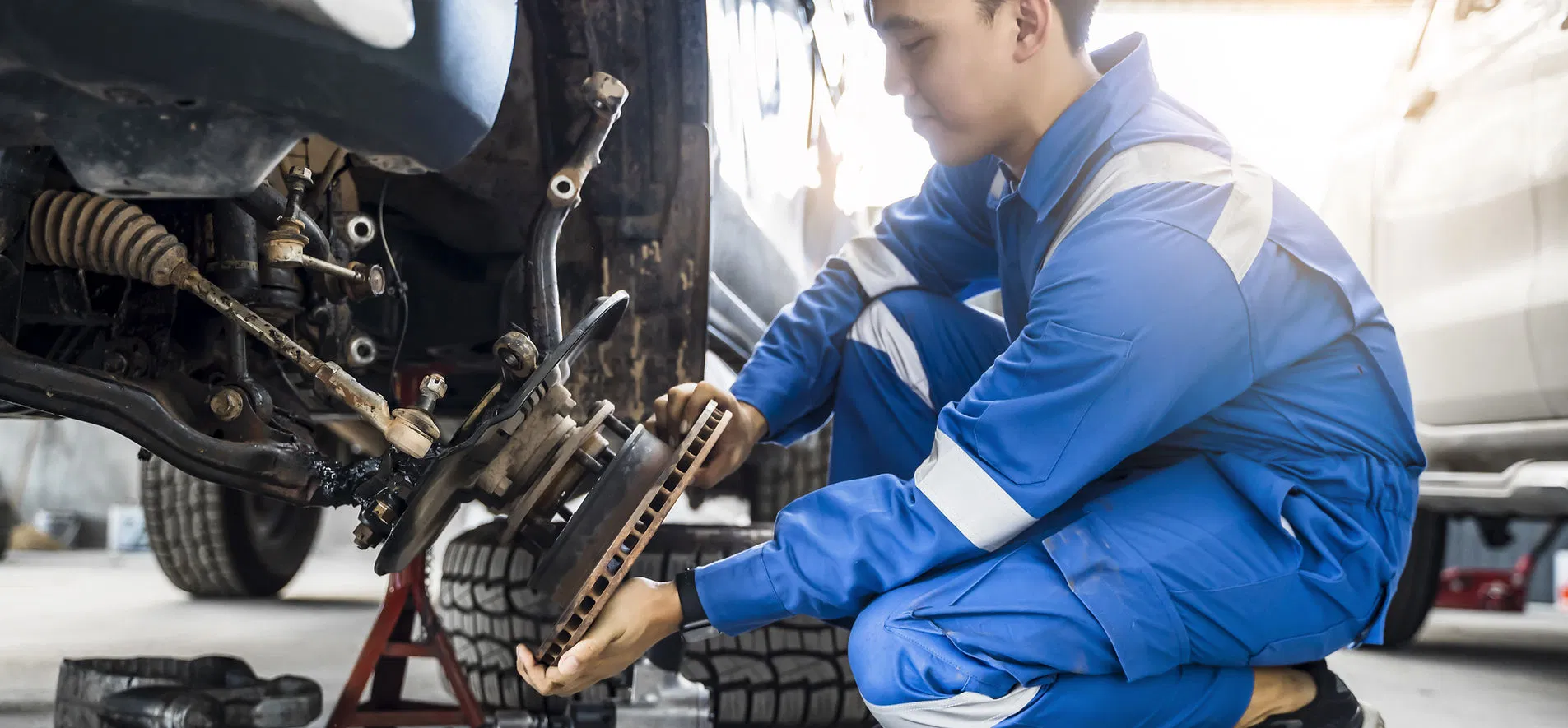
Labor Day travel often includes congested roads, unfamiliar intersections, and sudden stops. Your brake pads, rotors, calipers, brake fluid, and hydraulic system must work together reliably.
Pay attention to these warning signs:
A high-pitched squeal when braking
A harsh grinding noise
A brake pedal that feels soft, low, or spongy
Steering-wheel or brake-pedal vibrations
Pulling to the left or right during braking
Longer stopping distances
A brake warning light on the dashboard
A light squeal may indicate a brake-wear indicator, while grinding can mean the friction material is gone and metal is contacting the rotor. Grinding brakes should be inspected immediately. Continuing to drive may damage additional components and reduce stopping performance.
You can visually inspect the outside of your wheels for obvious damage, but measuring pad thickness and checking rotor condition requires proper equipment. A certified mechanic in Venice, FL can inspect the complete brake system and explain what needs attention now versus what can be monitored.
4. How Can You Keep Your AC and Visibility Equipment Ready for Florida Weather?
In Venice, a working air-conditioning system is more than a comfort feature during a long Labor Day drive. Heat and humidity can contribute to driver fatigue, while sudden rain can reduce visibility within seconds.
Test your AC before traveling:
Set the system to maximum cooling and recirculation.
Confirm that the air becomes consistently cold.
Test airflow from each vent.
Listen for rattling, squealing, or unusual compressor noises.
Watch for musty odors or moisture inside the cabin.
Weak airflow may point to a clogged cabin air filter, while warm air can be related to refrigerant level, the compressor, condenser, electrical controls, or another issue. Gibson’s AC and heating service can identify the problem instead of simply guessing at a refrigerant refill.
Also inspect your visibility equipment:
Replace wiper blades that streak, chatter, split, or leave sections uncleared.
Fill the windshield-washer reservoir with appropriate fluid.
Check headlights, brake lights, turn signals, and hazard lights.
Inspect the windshield for chips or cracks that may spread.
Clean the inside and outside of the glass to reduce glare.
If your wipers cannot clear the windshield during a heavy downpour, slow down and pull over safely when necessary. Visibility is a critical part of road-trip safety, especially during Florida’s late-summer storms.
5. What Is the Ultimate Emergency Kit for a Labor Day Road Trip?
Even a well-maintained vehicle can experience an unexpected flat tire, dead battery, or weather-related delay. A compact emergency kit gives you more options while you wait for roadside assistance or professional help.
Pack these essentials:
Jumper cables or a portable jump starter
Flashlight and extra batteries
First-aid supplies
Drinking water and nonperishable snacks
Phone charger or power bank
Reflective warning triangles or emergency flares
Basic tool kit
Work gloves and shop towels
Duct tape
Rain poncho or lightweight rain gear
Tire-pressure gauge
Tire inflator or tire repair kit, when appropriate for your vehicle
Necessary medication and supplies for passengers or pets
Insurance, roadside-assistance, and emergency contact information
Keep the kit secured in the trunk or cargo area so it does not become a projectile during sudden braking. Before leaving, also check your fuel level, confirm your route, and let someone know your expected arrival time.
Your Labor Day Road Trip Car Prep Checklist
Use this quick checklist during the week before your trip:
Tire pressure checked cold, including the spare
Tire tread and sidewalls inspected
Oil and coolant levels checked
Brake fluid and transmission fluid reviewed
Belts and hoses checked for wear or leaks
Brakes tested for noise, vibration, pulling, or a soft pedal
AC tested in hot conditions
Wiper blades and washer fluid checked
Lights and windshield inspected
Emergency kit restocked
Pre-trip inspection scheduled if anything seems unusual
For drivers searching for auto repair Venice FL or mechanic Venice FL, Gibson’s Auto Care provides comprehensive maintenance and repair for all makes and models. Our family-owned shop has served the Venice community since 2016, with certified technicians, fair pricing, and a 24-month/24,000-mile warranty backing our work.
5 Important FAQs About Labor Day Road Trip Car Prep
How far in advance should I prepare my car for Labor Day travel?
Begin checking your vehicle at least one to two weeks before departure. That gives you time to schedule repairs, order parts, or replace worn tires without rushing.
What tire pressure should I use for a road trip?
Use the vehicle manufacturer’s recommended pressure on the driver’s door-jamb sticker or in the owner’s manual. Check the tires when they are cold, and do not use the number on the tire sidewall as your target pressure.
Is a pre-trip inspection worth it if my car seems to run normally?
Yes. A professional inspection can find developing issues: such as low brake pads, aging hoses, weak battery capacity, or uneven tire wear: that may not be noticeable during everyday driving.
Why is my car’s AC cold at low speeds but warm in traffic?
Possible causes include low refrigerant, condenser airflow problems, a weak cooling fan, compressor concerns, or electrical faults. An AC inspection can identify the actual cause before the system fails during a hot drive.
What should I do if my temperature gauge rises during the trip?
Turn off the AC, safely pull off the road, and shut off the engine. Do not open the radiator cap while the engine is hot. Arrange professional assistance, especially if you see steam, coolant, or a warning light.
Schedule Your Pre-Trip Inspection in Venice, FL
The best Labor Day road trip car prep is completed before you load the luggage. If you hear a squeal, feel a vibration, notice a fluid leak, or simply want professional peace of mind, contact Gibson’s Auto Care for reliable service before the holiday weekend.
Visit our auto repair services page or contact Gibson’s Auto Care to plan your inspection. We are proud to help local drivers enjoy safer, more dependable travel from Venice and throughout the surrounding community.
📍 22 S Venice Blvd, Venice, FL 34293 📞 941-451-8801

Comments